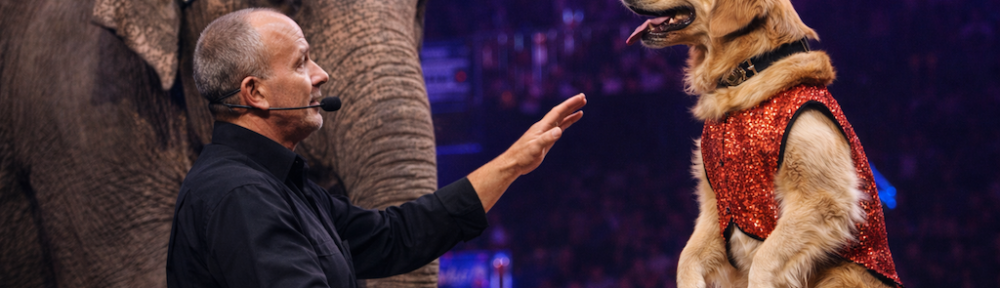
There is something magical about animals on stage. The audience enjoys it, the performer enjoys it, and by all accounts, even an animal enjoys performing. It has a charm beyond any performance that any human actor can match. But one who has ever tried their best to coax a furry friend to take up the designated spot in front of nearly glaring lights knows it is not really that easy.
Picture it: would you hold up under that with hundreds of screaming audience members in front of you? So the most important things actually have the right tools and techniques and, of course, patience. Primarily, the right gear, such as a dog harness, adds to the difference in performance and safety for a canine performer.
Are you all set to have your pet make memorable stage appearances? Then let’s get started!
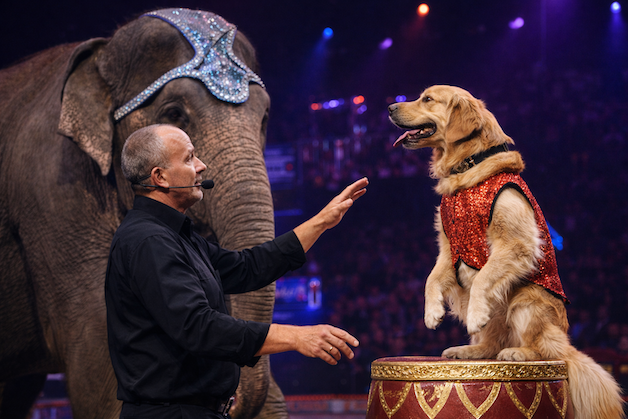
1. Start with Slow, Positive Training
All animals need a certain period for acclimatization to a new environment, and a stage is full of strange noises, smells, and movement. Start training slowly in a familiar environment for the animal, and then gradually introduce props, lighting, and music into the environment. Reward-based training works better, meaning treats, praise, and very gentle corrections. Using safe apparatus like the Joyride dog harness will keep the dogs steady and confident during initial training.
2. Know Your Animal’s Personality
Animals are just like people in having their own strange things and comfort zones. Some dogs can perform very well without becoming fearful. Others may even become shy or turn their heads very easily. Before teaching tricks or cues, understand what gets your animal excited, scared, or overstimulated. Wearing something like the right dog harness will help ground them and make them feel more supported on stage.
3. Keep Commands Short and Clear
There are distractions everywhere while on stage – applause, lights, music, and other actors. Therefore, succinct commands are necessary. Use short and simple commands consistently, reinforced with hand signals. Keep repeating these signals until your animal becomes so accustomed to them that they respond to them immediately. The easiest way to keep your animal focused while putting in all the reinforcement work with the training cues is to use patience and the right equipment.
4. Create a Safe Rehearsal and Stage Space
Safety comes first on the priority list. There should be no sharp items on the flooring, and props should be secured firmly to leave a safe passage for the animal, free of slipping or tripping. And we have to ensure that the animal is comfortable in the temperature without being burned by stage lights. Water, a portable fan, and a cozy resting spot should all be kept backstage. A calm animal equals a great performance.
5. Let the Animal Take Breaks
Animals become tired more quickly than humans while performing on stage, especially during tricks and while walking beneath hot lights. Be sure to plan for plenty of break time. Use water, small treats, and a quiet place to reset the animal. Overworking an animal can frequently lead to accidents, stress, or inconsistent behavior during the performance.
All in All
Working with animals on stage rewards and warms hearts; it is full of surprises. When you are patient enough with preparation and the right tools, such as using a Joyride dog harness for canine performers, you can create a performance that your audience will never forget. Whoever directs the show or performs with a furry co-star, these hints set the stage for success!